
HTML & CSS for Business and Marketing
HTML is that the foundation of all net pages. It defines the structure of a page, whereas CSS defines its style. HyperText Mark-Up Language and CSS are the start of everything you...
By Admin
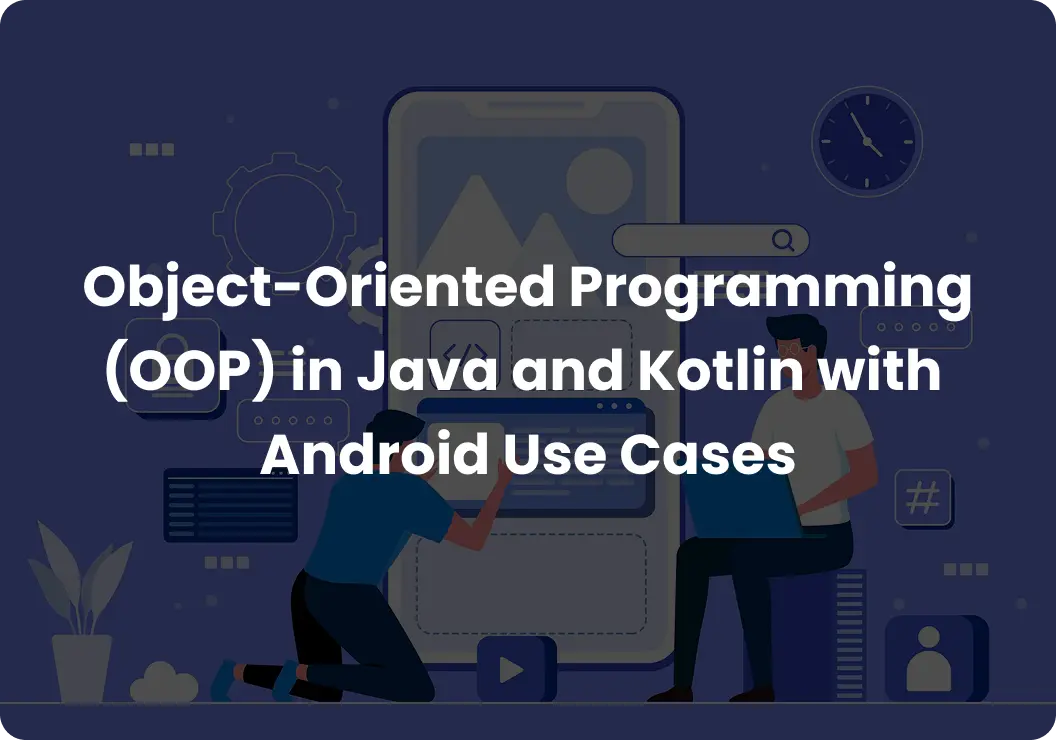
Object-Oriented Programming (OOP) allows you to structure your code using real-world entities like objects and classes.
It makes code modular, reusable, and scalable—all of which are critical in Android app development.
Encapsulation is the bundling of data and methods that operate on that data into a single unit (class) and restricting direct access to some of an object's components.
Inheritance allows one class (child) to acquire properties and methods of another class (parent).
Polymorphism allows a single interface or method to behave differently depending on context.
Abstraction means showing only essential features while hiding implementation details.
OOP is not just a theory—it's the foundation of robust Android development. Whether you write in Java or Kotlin, applying OOP principles will help you build clean, modular, and scalable apps.
HTML is that the foundation of all net pages. It defines the structure of a page, whereas CSS defines its style. HyperText Mark-Up Language and CSS are the start of everything you...
Sockets are mainly used interaction between client and server,or we can also say that socket is technology by which we use to interaction between multiple users on same...

Hold down your phone's power button to see a new expanded page of commands. Now you can dial 911, shut down or restart your phone, along with access to Google...
Bootstrap is a free and open source front end development framework for the creation of websites and web apps.In computers, the word bootstrap means to boot: to load a...
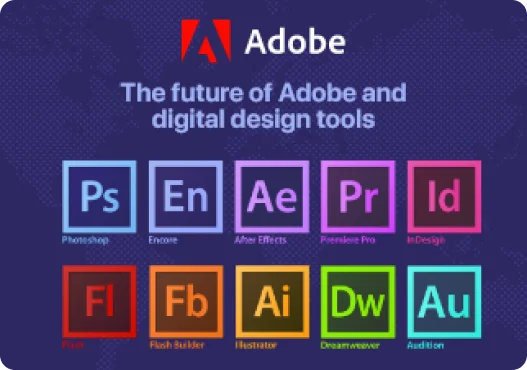
Founded in 1982, Adobe is an American software company with a wide range of professional products, focusing on the creation and processing of graphics, photography...
Explore your potential and begin your journey today.


